Dental restoration is one of the most transformative areas of modern dentistry, focused on repairing damaged teeth, replacing missing structures, and restoring full oral function. While preventive care is designed to stop problems before they start, restorative dentistry addresses issues that have already developed—whether due to decay, trauma, wear, or disease. For individuals experiencing tooth damage or loss, professional dental restoration services provide a pathway back to comfort, functionality, and renewed confidence.
Teeth are subjected to constant stress from chewing, grinding, temperature changes, and exposure to acids and bacteria. Over time, even with good oral hygiene, enamel can weaken, cavities can form, and structural integrity may be compromised. Dental restoration procedures are carefully designed to rebuild the affected areas while preserving as much natural tooth structure as possible. The goal is not only to repair visible damage but also to restore the tooth’s strength and protect it from further deterioration. Learn more by visiting https://smileworksmeridian.com/.
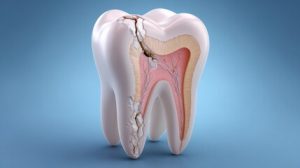
One of the most common forms of dental restoration is the dental filling. When a cavity forms due to bacterial decay, the affected portion of the tooth must be removed to prevent the spread of infection. The remaining space is then filled with a durable restorative material that seals the tooth and restores its shape. Today’s restorative materials are engineered to blend naturally with surrounding enamel, providing both durability and aesthetic appeal. Properly placed fillings can last for many years, especially when supported by consistent oral hygiene and routine dental checkups.
When decay or damage is more extensive, dental crowns offer a comprehensive restorative solution. A crown acts as a protective cap that covers the entire visible portion of a tooth, reinforcing weakened structure and restoring function. Crowns are particularly effective for teeth that have undergone significant breakdown due to large cavities, fractures, or root canal treatment. By encasing the tooth, a crown prevents further cracking and ensures that bite pressure is distributed evenly during chewing.
In cases where a tooth is missing entirely, dental restoration becomes even more critical. Missing teeth affect more than just appearance; they can disrupt alignment, alter speech, and impair chewing efficiency. Over time, surrounding teeth may shift into the space, leading to bite problems and jaw discomfort. Restorative options such as bridges, removable dentures, and implant-supported restorations help fill these gaps and maintain structural balance within the mouth. Replacing missing teeth promptly prevents long-term complications and supports overall oral stability.
Dental implants have become a highly sought-after restorative solution for tooth replacement. Unlike removable appliances, implants are surgically positioned to integrate with the jawbone, creating a stable foundation for a crown or bridge. This integration helps preserve bone density and mimics the function of natural tooth roots. Implant-based restoration not only restores appearance but also supports long-term oral health by preventing bone loss that typically occurs after tooth extraction.
Another important aspect of dental restoration involves addressing worn or damaged teeth caused by grinding, acid erosion, or aging. Tooth wear can lead to sensitivity, changes in bite alignment, and increased risk of fractures. Restorative treatments such as bonding, veneers, or onlays can rebuild lost structure and protect vulnerable surfaces. These procedures improve both function and aesthetics, ensuring that teeth remain strong and resilient.
Root canal therapy is a restorative procedure often misunderstood but highly effective. When infection reaches the inner pulp of a tooth, it can cause severe pain and swelling. Root canal treatment removes the infected tissue, disinfects the internal structure, and seals the tooth to prevent reinfection. A crown is typically placed afterward to reinforce the treated tooth. This process saves the natural tooth and eliminates the need for extraction, maintaining the integrity of the dental arch.
The success of dental restoration depends heavily on accurate diagnosis and personalized treatment planning. Advanced diagnostic imaging allows dental professionals to assess the extent of damage beneath the surface. Digital scans and detailed impressions ensure that restorations fit precisely and function harmoniously within the bite. Precision is critical because even minor discrepancies can lead to discomfort or uneven wear over time.
Several core objectives guide every dental restoration procedure:
- Preserve as much natural tooth structure as possible while eliminating decay or damage.
- Restore proper chewing function and bite alignment.
- Prevent further deterioration or infection.
- Enhance the appearance of the smile without compromising structural integrity.
A well-executed restorative plan considers not only the affected tooth but also the surrounding tissues and overall oral environment. For example, restoring a single tooth in isolation without addressing underlying gum disease may result in future complications. Comprehensive dental restoration integrates periodontal health, occlusion, and long-term maintenance strategies.
Material selection plays a significant role in the durability and aesthetics of dental restorations. Modern restorative materials are designed to withstand significant biting forces while maintaining a natural appearance. Ceramic-based materials offer excellent translucency that closely resembles enamel, making them ideal for visible areas of the mouth. Metal-reinforced restorations provide additional strength in areas subjected to heavy chewing pressure. The choice of material depends on factors such as location, bite force, and patient preference.
The process of dental restoration often unfolds in carefully planned stages. For complex cases involving multiple teeth, treatment may be sequenced to ensure stability and comfort. Temporary restorations may be used to protect prepared teeth while permanent solutions are fabricated. Clear communication between patient and dental provider ensures that expectations are aligned and that outcomes meet both functional and aesthetic goals.
Beyond physical repair, dental restoration has a profound psychological impact. Damaged or missing teeth can affect self-esteem and willingness to engage socially. Restorative procedures help individuals regain confidence in their smiles, encouraging open communication and improved quality of life. The ability to eat comfortably and speak clearly contributes to overall well-being, making restorative dentistry an essential component of comprehensive health care.
Patients considering dental restoration should understand the importance of ongoing maintenance. Even the most durable restoration requires proper care to maximize longevity. Brushing twice daily, flossing regularly, and attending scheduled dental appointments are crucial for protecting both natural teeth and restorative work. Neglecting oral hygiene can compromise restorations and lead to secondary decay around their margins.
Preventive strategies complement restorative treatments and help extend their lifespan. Dental professionals may recommend protective measures such as night guards for patients who grind their teeth, fluoride treatments to strengthen enamel, or dietary adjustments to reduce acid exposure. These proactive steps reduce stress on restorations and maintain overall oral health.
Common situations that may require dental restoration include:
- Cavities that have progressed beyond early-stage enamel damage.
- Fractured or chipped teeth caused by trauma or biting hard objects.
- Teeth weakened by extensive wear or previous large fillings.
- Missing teeth that affect function and alignment.
Each scenario demands a tailored approach, taking into account the patient’s medical history, oral condition, and long-term goals. Modern restorative dentistry prioritizes minimally invasive techniques whenever possible, preserving healthy tissue while delivering durable results.
Technological advancements continue to enhance dental restoration procedures. Computer-assisted design and manufacturing systems allow for precise fabrication of crowns and bridges with exceptional accuracy. Digital impressions replace traditional molds in many cases, improving comfort and reducing treatment time. These innovations streamline the restorative process while maintaining high standards of quality and precision.
The longevity of dental restorations varies depending on factors such as material choice, bite pressure, and oral hygiene habits. With proper care, many restorations can last a decade or longer. Regular evaluations allow dental professionals to monitor their condition and address minor issues before they escalate. Early detection of wear or marginal breakdown can significantly extend the lifespan of restorative work.
Cost considerations often influence decisions about dental restoration. While restorative procedures represent an investment, they are typically more cost-effective than delaying treatment. Addressing decay early prevents the need for more extensive procedures later. Restoring a compromised tooth can eliminate pain, preserve natural structure, and reduce the risk of infection spreading to surrounding tissues.
Dental restoration is not merely about repairing damage; it is about rebuilding the foundation of oral health. By restoring strength, function, and balance, these procedures protect long-term wellness and prevent cascading complications. A well-maintained restoration allows individuals to enjoy daily activities—eating, speaking, smiling—without discomfort or hesitation.
Ultimately, dental restoration services provide a comprehensive solution for individuals seeking to reclaim both oral function and aesthetic harmony. Through careful planning, advanced materials, and ongoing maintenance, restorative dentistry transforms damaged teeth into strong, reliable components of a healthy smile. Investing in professional dental restoration is a proactive step toward lasting comfort, improved confidence, and sustained oral health for years to come.