Author: Dillon Nielsen

How Much Does Home Pest Control Cost? A Homeowner’s Complete Guide

Pest Control

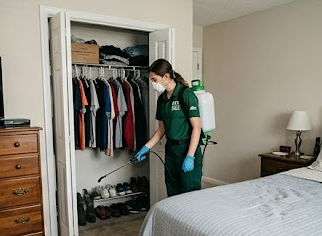
When homeowners discover insects or rodents inside their property, one of the first questions they ask is how much professional pest control will cost. The answer depends on several factors because every home and every infestation is different. A minor ant problem requires a different treatment approach than a termite infestation or a widespread rodent problem, which means pricing can vary considerably. While many people focus on finding the lowest price, the overall value of Pest Control Fort Pierce depends on the quality of the inspection, the treatment plan, and the long-term protection provided. Understanding what affects home pest control cost helps homeowners budget confidently while making informed decisions about protecting their property.

What Factors Affect Home Pest Control Cost?

Several factors determine the cost of home pest control, with the type of pest being one of the most significant. Common household pests such as ants, spiders, or silverfish often require different treatment methods than termites, rodents, bed bugs, or cockroaches. Each pest behaves differently, reproduces at a different rate, and occupies different areas of the home, making every treatment plan unique. Some infestations require specialized equipment, additional inspections, or multiple treatment visits before complete control is achieved. The complexity of the pest problem directly influences the overall investment.

The size and condition of the home also affect pricing. Larger properties generally require more time to inspect and treat because they contain additional rooms, entry points, crawl spaces, attics, garages, and exterior areas. Older homes may also require more extensive inspections because aging structures often have additional gaps, cracks, or moisture issues that allow pests to enter. Every property presents unique challenges that influence the amount of labor and materials required. A thorough inspection helps determine the most appropriate treatment plan.

How Does the Type of Pest Influence Pricing?

The type of pest involved has a major impact on the overall cost because each species requires a different treatment strategy. Minor insect problems involving ants or spiders may only require targeted applications and preventative treatments. Larger infestations involving termites, rodents, fleas, bed bugs, or cockroaches often demand more comprehensive management programs that include monitoring, follow-up visits, and specialized treatment methods. More difficult infestations generally require greater time and expertise to eliminate successfully. Treatment complexity often determines the final cost.

Some pests also require ongoing monitoring after the initial treatment has been completed. Rodents may continue entering the home if access points remain open, while termites often require periodic inspections to confirm that colonies have been eliminated and no new activity has developed. Bed bugs may require multiple treatments because of their life cycle and ability to hide in difficult-to-access locations. Continued monitoring contributes to long-term pest management success. Follow-up service is often an important part of effective treatment.

Does the Severity of the Infestation Affect Cost?

The size of the infestation is another major factor influencing pest control pricing. Small infestations identified early are generally less expensive to treat because fewer pests are present and the affected areas are often limited. When homeowners respond quickly after noticing the first warning signs, technicians can often prevent the infestation from spreading throughout the property. Early treatment frequently reduces both labor requirements and treatment complexity. Prompt action often lowers overall costs.

More advanced infestations usually require additional inspection time and more extensive treatment because pests have had time to establish multiple nesting sites or hidden colonies. Rodents inside wall cavities, termites beneath flooring, or cockroach populations hidden throughout the home often require a more comprehensive management plan than isolated pest activity. Larger infestations may also involve repairing conditions that allowed the pests to thrive. Thorough treatment provides greater long-term value than temporary solutions.

Is One-Time Pest Control or Ongoing Service More Affordable?

Some homeowners only need a one-time pest control service when an isolated infestation is discovered and treated quickly. These services generally include an inspection, targeted treatment, and recommendations for preventing future pest activity. A one-time visit may be sufficient when the infestation is limited and there are no signs of recurring pest problems. This approach often works well for small, isolated situations. The suitability of one-time treatment depends on the pest involved.

Ongoing residential pest control programs provide regular inspections and preventive treatments throughout the year. Many homeowners choose quarterly service because it helps identify developing infestations before they become severe while maintaining protective treatments around the property. Although recurring service involves additional investment, preventive maintenance often reduces the likelihood of emergency treatments and costly structural damage later. Consistent protection frequently delivers greater long-term value than waiting for infestations to occur.

What Should Be Included in a Professional Pest Control Service?

A quality home pest control service begins with a detailed inspection rather than immediate treatment. The inspection identifies the pest species, nesting areas, entry points, moisture problems, food sources, and environmental conditions contributing to the infestation. Understanding these factors allows technicians to create a customized treatment plan that addresses both the pests and the conditions allowing them to survive. Accurate diagnosis improves treatment effectiveness. Every successful pest management program begins with careful evaluation.

Professional services also include recommendations that help homeowners reduce future pest activity. Guidance may cover sealing structural gaps, improving sanitation, repairing plumbing leaks, reducing moisture, trimming landscaping, and storing food properly. Some treatment plans also include follow-up inspections to confirm that pest activity has been eliminated. These additional services contribute significantly to the overall value of professional pest control. Prevention remains a key part of long-term success.

How Can Homeowners Get the Best Value?

Finding the best value involves more than comparing prices alone. Homeowners should evaluate the quality of the inspection, the scope of the proposed treatment, follow-up services, preventative recommendations, and any warranties that may be included. A slightly higher investment may provide much better long-term protection if the service addresses both the infestation and its underlying causes. Effective treatment often prevents repeated service calls and future property damage. Long-term performance should always be considered alongside price.

Requesting multiple estimates also allows homeowners to compare different treatment strategies before making a decision. Asking questions about inspection procedures, monitoring programs, service frequency, and follow-up visits provides a clearer understanding of what each company offers. A detailed proposal should explain exactly what is included so homeowners can make informed comparisons. Careful evaluation supports better decision-making. Understanding the complete service helps avoid unexpected costs later.

Can Preventive Pest Control Save Money?

Preventive pest control is often one of the most cost-effective investments homeowners can make. Regular inspections identify developing pest problems before they become major infestations requiring extensive treatment. Addressing small issues early generally costs less than repairing structural damage caused by termites, rodents, or other destructive pests. Preventive maintenance also reduces the likelihood of emergency pest control visits. Proactive care often delivers significant long-term savings.

Simple home maintenance habits further strengthen preventive pest control. Keeping food properly stored, eliminating standing water, sealing entry points, repairing plumbing leaks, and maintaining clean indoor and outdoor environments reduce conditions that attract insects and rodents. These everyday practices complement professional pest management while extending the effectiveness of routine treatments. Prevention protects both the home and the homeowner’s budget. Long-term maintenance supports lasting results.

Final Thoughts

The answer to how much does home pest control cost depends on several factors, including the type of pest, the size of the infestation, the condition of the property, and whether one-time or ongoing service is needed. While pricing varies from one situation to another, investing in professional inspections, customized treatment plans, and preventive maintenance often provides the greatest long-term value. Addressing pest problems early and maintaining regular residential pest control helps homeowners reduce future repair costs while creating a healthier, cleaner, and more comfortable home. Understanding what influences home pest control cost allows homeowners to make confident decisions that protect both their property and their investment.
What to Expect From an Exterior Window Cleaning Service

Keeping your windows clean is an important part of maintaining the beauty and longevity of your home. Regular cleaning removes grime and environmental pollutants that can affect the functionality of windows and doors. Exterior Window Cleaning Service provides expert techniques and equipment for achieving sparkling clean windows. Understanding the various services, techniques, safety measures, and benefits of professional window cleaning empowers homeowners to make informed decisions about their home maintenance needs.

Window Cleaning

Cleaning windows is more than just a cosmetic process; it’s a preventative maintenance practice that preserves the integrity and functionality of window glass over time. Consistent cleaning can help to eliminate hard water stains, environmental pollutants, and debris that can lead to premature deterioration, deferring the need for costly repairs and replacements. Keeping windows clean also helps reduce indoor allergens and supports healthier air quality for building occupants.

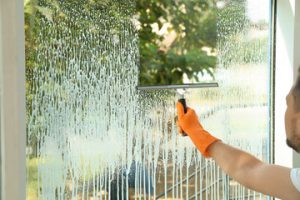
In addition to using specialized cleaning solutions and chemicals, professional window cleaners employ specific techniques that ensure spotless results. They use a controlled and smooth squeegee motion to remove moisture, cleaning solution, dirt, and smudges from the window surface, leaving it spotless and streak-free. They also carefully wipe down corners, edges, and sills with lint-free cloths to remove any residual moisture and ensure a flawless finish.

Additionally, professional window cleaners can use a variety of tools to reach harder-to-reach areas. For example, they can apply a pressure washer or a water-fed pole system to reach high windows without the need for scaffolding. These systems are safe to operate when used by trained professionals.

Other important tools include squeegees, scrubbers, buckets, cleaning solutions, and ladders for hard-to-reach surfaces. For high-rise buildings, professional window cleaners can also use a rope access cleaning method that uses a harness and rappelling equipment to allow them to descend down the side of a building and clean hard-to-reach areas. This technique is highly effective and requires specialized training and equipment. However, it is an efficient and safe alternative to traditional scaffolding methods for reaching elevated areas. In addition, this type of cleaning allows for a more thorough cleaning than is possible from the ground or with standard window cleaning tools.

Safety Gear

Professionals use specialized equipment to ensure a streak-free finish that is also safe for their customers. This includes personal protective equipment, such as gloves, face masks, and eye protection, to prevent contact with cleaning chemicals or fumes; non-slip shoes to reduce the risk of falls when working on wet surfaces or ladders; and a squeegee with a rubber blade that provides a smooth, streak-free finish. It’s also important to select a squeegee that has a comfortable handle and is made of durable materials to prevent it from breaking or falling off during use.

Window cleaners must also wear a safety harness and rope system when cleaning high-rise buildings or other elevated surfaces, as well as secure the equipment to prevent it from moving or falling during the cleaning process. They should also take precautions when working in weather conditions, such as strong winds or rain, which can increase the risk of injury. If the weather is too dangerous for window cleaning, it should be postponed until conditions improve.

Additional essential equipment for cleaning windows includes a bucket for mixing water and cleaning solutions, one for rinsing, and a scrubber with washable microfiber or synthetic sleeves to keep it clean without scratching the glass. It’s also helpful to have a scraper on hand for stubborn or sticky residue, paint splatters, and other hard-to-remove substances. Lastly, a squeegee with removable rubber blades and a telescopic extension pole helps to reach higher areas that aren’t easily accessible from the ground. It’s important to regularly inspect and replace any tools that are damaged or worn down for safety and performance reasons. For example, a frayed cord on an electric tool can be hazardous and should be replaced immediately.

Extension Poles and Ladders

When cleaning windows that are high off the ground, specialized tools like squeegees and brushes mounted to extension poles are essential. Using these tools eliminates the need for ladders, which are unstable and pose a risk of falls, especially when working at significant heights. In more challenging scenarios, professional window cleaning services employ techniques such as water fed pole systems and scaffolding to tackle high-rise windows.

The most important tool for high-window washing is the telescopic pole. These extendable poles are typically capable of reaching 30 feet or more, allowing professionals to clean windows without the need for ladders. They are available in various lengths and materials, making them suitable for a variety of needs and applications. Professionals recommend choosing a durable pole that has secure locking mechanisms to prevent unexpected collapses.

Professionals also use a variety of tools to complete the cleaning process. These include brushes and squeegees that are compatible with extension poles, as well as specialized cleaners designed to cut through dirt and grime without leaving streaks or residues on window surfaces. It’s also important to protect surrounding areas from cleaning solution overspray by laying down drop cloths or other protective coverings.

Regardless of the tools used, it’s always important to work quickly and deliberately when cleaning high windows. Rushing through the cleaning process can result in missed spots and streaks. Additionally, it’s important to start at the top of the window and work your way down to avoid dirty water from dripping onto previously cleaned areas. Lastly, it’s helpful to work in sections to minimize the time spent on each section. This can help make the overall cleaning process more manageable and efficient.

Cleaning Solutions and Chemicals

Professional cleaning solutions are formulated to remove grime without leaving residue. These products are also safe for the environment and are typically derived from natural ingredients. Common chemical compounds found in these cleaners include surfactants, which help to dissolve oils and dirt particles so that they can be wiped away with ease. They are also effective at reducing water’s surface tension to ensure even coverage and minimize the risk of streaking or spots.

Isopropyl alcohol is a common ingredient in many commercial window cleaners because of its disinfectant properties. It is also a powerful degreaser and quickly evaporates to leave glass clear of streaks and deposits. Other commonly used chemicals in professional cleaners include glycol ethers, which have strong grease-cutting power and are less harsh than ammonia. Vinegar is a natural cleaning agent that is also included in eco-friendly and DIY window cleaners. It is effective at removing hard water stains and mineral deposits that can accumulate on windows, and its acidity helps to break down greasy dirt and grime.

For the most effective results, professional cleaners use a variety of tools that are designed for specific applications. For example, squeegees and scrubbers are ideal for residential and low-rise commercial properties, while telescopic poles and ladders provide stability and access to high windows without the need for scaffolding or ladders. Professional cleaners also bring along specialized equipment like water-fed poles, which have built-in filtration systems and can be used to deliver purified water directly to the glass surface.

Regular exterior window cleaning prevents long-term damage and maintains your home’s curb appeal. It protects glass from environmental pollutants and helps to preserve window frames, ensuring that seals and tinted windows remain intact. It also reduces your energy costs by keeping glass clean and free from dust and debris.

Equipment

A professional window cleaning service addresses more than just the glass; it also cleans the frames, sills and gutters to ensure a complete and consistent clean. Some cleaning services also provide specialty services for skylights, window screens and storm windows that require unique techniques and tools to keep them spotless.

A key to a successful window cleaning service is having the right equipment. This includes high-quality squeegees, scrubbers and scrapers, as well as a variety of professional-grade outdoor window washing products such as telescopic extension poles, lint-free microfiber cloths, durable window scrapers and reliable safety equipment. Investing in quality tools and ensuring that they are regularly cleaned, maintained and utilized is essential to achieving the best results and keeping customers happy.

Traditionally, exterior cleaning has involved using tap water and cleaning chemicals, buckets of water, ladders and a squeegee. While this is a basic approach, it has been replaced by pure water cleaning technology that uses advanced processes such as reverse osmosis and deionization to filter out microscopic impurities that cause unwanted spots and streaks on the glass. Combined with a powerful cleaning solution, this system creates an amazingly fast and effective clean for exterior windows.

To improve productivity and ensure that your team is ready for any job, stock your van or warehouse with a wide selection of cleaning supplies, including squeegees with replaceable rubber blades, scrapers with removable sleeves, lint-free microfiber cleaning cloths, a telescopic window cleaning pole for reaching taller windows, and safety equipment such as a harness, safety goggles and gloves. When paired with a field service management software solution such as Taskbird, this equipment can streamline scheduling and tracking for enhanced operational efficiency and growth of your window cleaning business.

Visit our Professional Services Blogs

Chris Atkins Lawncare, Atticus Landscaping, Treasure Coast Pressure Wash, Gulf Beach Plumbing, Marlborough Plumbing, Guns And Hoses Pressure Washing, Ambrose Construction, Coral Gables Pressure Washing, Willco Photography, Roofing Akron, Danalogsdon Roofing El Cajon, EC Siding Roofing Windows, Aurora Gutter, American Insurance Source, ECO, etdn, Denison Service League,  Roofing Blog, Atlantic Vinyl Windows, Brookshires Fireplaces, JD Advanced Remodeling, Product Judgment, Master Dry Foundation Repair, Moe’s Hip, Elta Patio Paramount, Rock Around The Clock Festival, Learn, Play, Beyond, MoralesT Gardening, Car Window Tinting Perth, Duncan Carpentry, Gatestone Lighting, Mid Missouri Mold Inspections, Stucco Repair Albuquerque, Wausau Siding Hire, Munster Tree Care, Blue Granite Homes, Custom House, CENTRAL OS, Atlanta Pavers, Phillips Law Firm, Brent Ryder MasonryWalker Construction Drywall Division, RJ Law, Caledon Plumbing, DDS Tech USA, Maine Mortgage Services, Inckpen, Seasons at Rose Creek, Cottonwood Place Dental, Cosmetic Laser 2000 

Benefits of Professional Air Duct Cleaning

Air Duct Cleaning

Professional Air Duct Cleaning Utah is a specialized service that focuses on removing dust, debris, allergens, and contaminants from the ductwork of a heating, ventilation, and air conditioning system. Over time, air ducts naturally collect particles that circulate through the home every time the system runs. These particles can include dust, pet dander, pollen, mold spores, and even small debris from construction or renovations.

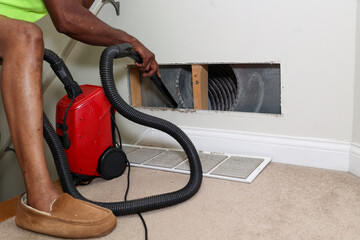
While air filters capture some of these contaminants, they do not stop everything from entering the duct system. As buildup increases, the ducts can become a reservoir for pollutants that are repeatedly pushed back into living spaces. Professional air duct cleaning uses high powered equipment and specialized tools to thoroughly clean the entire system, including supply ducts, return ducts, registers, and other components.

Understanding this process helps homeowners recognize that air duct cleaning is not a surface level task. It is a deep cleaning service designed to improve indoor air quality, system efficiency, and overall home comfort.

Improving Indoor Air Quality for Healthier Living

One of the most significant benefits of professional air duct cleaning is improved indoor air quality. The air inside a home is often more polluted than outdoor air, especially in tightly sealed modern houses. Contaminants trapped in ductwork can be continuously circulated throughout the home, affecting the air that occupants breathe every day.

For individuals with allergies, asthma, or respiratory sensitivities, poor indoor air quality can worsen symptoms and reduce overall comfort. Dust, pollen, and pet dander are common triggers that can accumulate in ducts over time. By removing these particles, professional air duct cleaning helps reduce airborne irritants and creates a cleaner breathing environment.

Even for households without specific health concerns, cleaner air contributes to a fresher and more comfortable living space. Many homeowners notice a difference in air freshness after ducts are professionally cleaned, especially when combined with proper filtration and regular HVAC maintenance.

Reducing Dust and Household Cleaning Needs

Excessive dust accumulation is a common frustration for homeowners. Dust often settles on furniture, floors, and surfaces shortly after cleaning, making it feel like housework never ends. In many cases, dirty air ducts contribute to this problem by continuously releasing dust into the air.

Professional air duct cleaning removes a large source of airborne dust, which can noticeably reduce how quickly dust builds up inside the home. With fewer particles circulating through the HVAC system, surfaces stay cleaner for longer periods. This can make routine cleaning easier and less frequent.

Reduced dust also benefits electronics, fabrics, and furnishings by limiting buildup that can affect performance or appearance over time. While air duct cleaning does not eliminate dust entirely, it can significantly reduce one of its main sources.

Enhancing HVAC System Efficiency

A clean air duct system supports better HVAC performance. When ducts are clogged with debris, airflow becomes restricted. This forces the heating and cooling system to work harder to maintain desired indoor temperatures. Increased strain can lead to higher energy consumption and unnecessary wear on system components.

Professional air duct cleaning removes obstructions and improves airflow throughout the system. With fewer blockages, air can move more freely, allowing the HVAC system to operate more efficiently. Improved airflow helps distribute heated or cooled air evenly, reducing hot or cold spots within the home.

Greater efficiency often translates into lower energy bills. While air duct cleaning is not a replacement for regular HVAC maintenance, it complements it by helping the system operate under optimal conditions.

Extending the Life of HVAC Equipment

HVAC systems represent a significant investment for homeowners. Protecting that investment means minimizing unnecessary stress on system components. Dirty air ducts can contribute to premature wear by forcing motors, fans, and other parts to work harder than intended.

When airflow is restricted, the system may cycle more frequently or run for longer periods to achieve the desired temperature. Over time, this increased workload can shorten the lifespan of the equipment. Professional air duct cleaning helps reduce this strain by keeping airflow pathways clear.

By supporting efficient operation, clean ducts can contribute to fewer breakdowns and reduced maintenance costs. While air duct cleaning alone will not guarantee a longer system life, it plays an important role in overall HVAC care.

Eliminating Odors and Improving Home Freshness

Unpleasant odors in the home can sometimes originate from the HVAC system. Dust, mold, pet hair, cooking residue, and even pest related debris can become trapped in air ducts. When the system runs, these odors may be circulated throughout the home, making it difficult to identify the source.

Professional air duct cleaning helps eliminate these odor causing particles. Removing buildup from the ductwork can significantly improve how the home smells, especially when odors have lingered despite regular cleaning. This benefit is particularly noticeable in homes with pets, smokers, or recent renovations.

Cleaner ducts contribute to a fresher indoor environment that feels more welcoming and comfortable. Odor reduction is often one of the immediate improvements homeowners notice after professional cleaning.

Supporting Allergy and Asthma Management

For households affected by allergies or asthma, managing triggers is a daily concern. Airborne allergens such as pollen, mold spores, and dust mites can accumulate in air ducts and circulate repeatedly through the home. This constant exposure can make symptoms more frequent or severe.

Professional air duct cleaning reduces the concentration of these allergens by removing them from the system. While it is not a cure for allergies or asthma, it can be an effective part of a broader indoor air quality strategy. Cleaner air may help reduce irritation and support easier breathing for sensitive individuals.

This benefit is especially important during seasonal changes when allergens are more prevalent. Combined with proper filtration and humidity control, air duct cleaning can help create a more comfortable living environment.

Identifying Potential HVAC Issues Early

During professional air duct cleaning, technicians often inspect ductwork and related components as part of the process. This inspection can reveal issues such as disconnected ducts, leaks, mold growth, or excessive debris caused by construction or pest activity.

Identifying these problems early allows homeowners to address them before they worsen. Leaking ducts can waste energy and reduce system efficiency, while mold growth poses health risks if left untreated. Professional cleaning provides an opportunity to catch these issues during routine service.

Early detection can save money and prevent more extensive repairs in the future. This added insight is a valuable benefit of working with trained professionals.

Removing Mold and Moisture Related Contaminants

Moisture in air ducts creates an ideal environment for mold growth. Condensation, leaks, or high humidity levels can all contribute to this problem. Mold spores can then be distributed throughout the home whenever the HVAC system operates.

Professional air duct cleaning addresses mold by removing contaminated debris and, when necessary, applying appropriate treatments. While cleaning alone may not resolve underlying moisture issues, it plays a critical role in removing existing mold sources from the system.

Addressing mold promptly helps protect indoor air quality and prevents further spread. Homeowners who notice musty odors or experience unexplained respiratory issues may benefit from having their ducts professionally evaluated and cleaned.

A Safer and More Thorough Process Than DIY Methods

Some homeowners attempt to clean air ducts themselves using household tools. While this may remove visible dust near vents, it does not address deeper contamination within the system. DIY methods often lack the power and reach needed to thoroughly clean ductwork.

Professional air duct cleaning uses specialized equipment designed to dislodge and extract debris safely. Technicians are trained to avoid damaging duct materials and ensure that contaminants are removed rather than redistributed into the home.

Hiring professionals reduces the risk of incomplete cleaning or accidental damage to the HVAC system. It also ensures that cleaning is performed according to industry standards for safety and effectiveness.

Improving Overall Home Comfort

Comfort in a home is influenced by more than just temperature. Air quality, airflow consistency, and freshness all contribute to how comfortable a space feels. Dirty air ducts can interfere with these factors by causing uneven airflow, stale odors, and airborne irritants.

Professional air duct cleaning supports balanced airflow and cleaner air distribution. This can help rooms feel more comfortable and reduce temperature inconsistencies. Improved air circulation also supports better humidity control, which is important for both comfort and health.

A more comfortable home environment enhances daily living and makes the space more enjoyable for occupants and guests alike.

When Professional Air Duct Cleaning Is Most Beneficial

While air duct cleaning is not required annually for every home, certain situations make it especially beneficial. Homes with pets, recent renovations, water damage, mold issues, or occupants with allergies often see greater improvements from professional cleaning.

Older homes or properties that have never had their ducts cleaned may also benefit from a thorough service. Regular evaluation helps determine when cleaning is appropriate based on system condition and indoor air quality concerns.

Understanding when to schedule professional air duct cleaning ensures that the service delivers meaningful results rather than unnecessary expense.

Final Thoughts on the Benefits of Professional Air Duct Cleaning

Professional air duct cleaning offers a wide range of benefits that go beyond simple cleanliness. By improving indoor air quality, reducing dust, enhancing HVAC efficiency, and supporting healthier living, it contributes to a more comfortable and well-maintained home. Clean ducts help HVAC systems operate more effectively while reducing strain on equipment and lowering energy use.

For homeowners seeking cleaner air, improved comfort, and long-term system performance, professional air duct cleaning is a valuable investment. When performed by trained professionals, it addresses hidden issues that ordinary cleaning cannot reach. Over time, these benefits combine to create a healthier, fresher, and more efficient living environment.

Navigation