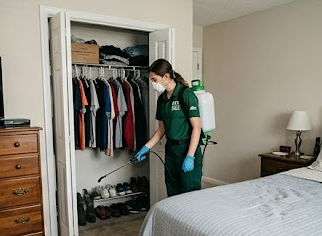
When homeowners discover insects or rodents inside their property, one of the first questions they ask is how much professional pest control will cost. The answer depends on several factors because every home and every infestation is different. A minor ant problem requires a different treatment approach than a termite infestation or a widespread rodent problem, which means pricing can vary considerably. While many people focus on finding the lowest price, the overall value of Pest Control Fort Pierce depends on the quality of the inspection, the treatment plan, and the long-term protection provided. Understanding what affects home pest control cost helps homeowners budget confidently while making informed decisions about protecting their property.
What Factors Affect Home Pest Control Cost?
Several factors determine the cost of home pest control, with the type of pest being one of the most significant. Common household pests such as ants, spiders, or silverfish often require different treatment methods than termites, rodents, bed bugs, or cockroaches. Each pest behaves differently, reproduces at a different rate, and occupies different areas of the home, making every treatment plan unique. Some infestations require specialized equipment, additional inspections, or multiple treatment visits before complete control is achieved. The complexity of the pest problem directly influences the overall investment.
The size and condition of the home also affect pricing. Larger properties generally require more time to inspect and treat because they contain additional rooms, entry points, crawl spaces, attics, garages, and exterior areas. Older homes may also require more extensive inspections because aging structures often have additional gaps, cracks, or moisture issues that allow pests to enter. Every property presents unique challenges that influence the amount of labor and materials required. A thorough inspection helps determine the most appropriate treatment plan.
How Does the Type of Pest Influence Pricing?
The type of pest involved has a major impact on the overall cost because each species requires a different treatment strategy. Minor insect problems involving ants or spiders may only require targeted applications and preventative treatments. Larger infestations involving termites, rodents, fleas, bed bugs, or cockroaches often demand more comprehensive management programs that include monitoring, follow-up visits, and specialized treatment methods. More difficult infestations generally require greater time and expertise to eliminate successfully. Treatment complexity often determines the final cost.
Some pests also require ongoing monitoring after the initial treatment has been completed. Rodents may continue entering the home if access points remain open, while termites often require periodic inspections to confirm that colonies have been eliminated and no new activity has developed. Bed bugs may require multiple treatments because of their life cycle and ability to hide in difficult-to-access locations. Continued monitoring contributes to long-term pest management success. Follow-up service is often an important part of effective treatment.
Does the Severity of the Infestation Affect Cost?
The size of the infestation is another major factor influencing pest control pricing. Small infestations identified early are generally less expensive to treat because fewer pests are present and the affected areas are often limited. When homeowners respond quickly after noticing the first warning signs, technicians can often prevent the infestation from spreading throughout the property. Early treatment frequently reduces both labor requirements and treatment complexity. Prompt action often lowers overall costs.
More advanced infestations usually require additional inspection time and more extensive treatment because pests have had time to establish multiple nesting sites or hidden colonies. Rodents inside wall cavities, termites beneath flooring, or cockroach populations hidden throughout the home often require a more comprehensive management plan than isolated pest activity. Larger infestations may also involve repairing conditions that allowed the pests to thrive. Thorough treatment provides greater long-term value than temporary solutions.
Is One-Time Pest Control or Ongoing Service More Affordable?
Some homeowners only need a one-time pest control service when an isolated infestation is discovered and treated quickly. These services generally include an inspection, targeted treatment, and recommendations for preventing future pest activity. A one-time visit may be sufficient when the infestation is limited and there are no signs of recurring pest problems. This approach often works well for small, isolated situations. The suitability of one-time treatment depends on the pest involved.
Ongoing residential pest control programs provide regular inspections and preventive treatments throughout the year. Many homeowners choose quarterly service because it helps identify developing infestations before they become severe while maintaining protective treatments around the property. Although recurring service involves additional investment, preventive maintenance often reduces the likelihood of emergency treatments and costly structural damage later. Consistent protection frequently delivers greater long-term value than waiting for infestations to occur.
What Should Be Included in a Professional Pest Control Service?
A quality home pest control service begins with a detailed inspection rather than immediate treatment. The inspection identifies the pest species, nesting areas, entry points, moisture problems, food sources, and environmental conditions contributing to the infestation. Understanding these factors allows technicians to create a customized treatment plan that addresses both the pests and the conditions allowing them to survive. Accurate diagnosis improves treatment effectiveness. Every successful pest management program begins with careful evaluation.
Professional services also include recommendations that help homeowners reduce future pest activity. Guidance may cover sealing structural gaps, improving sanitation, repairing plumbing leaks, reducing moisture, trimming landscaping, and storing food properly. Some treatment plans also include follow-up inspections to confirm that pest activity has been eliminated. These additional services contribute significantly to the overall value of professional pest control. Prevention remains a key part of long-term success.
How Can Homeowners Get the Best Value?
Finding the best value involves more than comparing prices alone. Homeowners should evaluate the quality of the inspection, the scope of the proposed treatment, follow-up services, preventative recommendations, and any warranties that may be included. A slightly higher investment may provide much better long-term protection if the service addresses both the infestation and its underlying causes. Effective treatment often prevents repeated service calls and future property damage. Long-term performance should always be considered alongside price.
Requesting multiple estimates also allows homeowners to compare different treatment strategies before making a decision. Asking questions about inspection procedures, monitoring programs, service frequency, and follow-up visits provides a clearer understanding of what each company offers. A detailed proposal should explain exactly what is included so homeowners can make informed comparisons. Careful evaluation supports better decision-making. Understanding the complete service helps avoid unexpected costs later.
Can Preventive Pest Control Save Money?
Preventive pest control is often one of the most cost-effective investments homeowners can make. Regular inspections identify developing pest problems before they become major infestations requiring extensive treatment. Addressing small issues early generally costs less than repairing structural damage caused by termites, rodents, or other destructive pests. Preventive maintenance also reduces the likelihood of emergency pest control visits. Proactive care often delivers significant long-term savings.
Simple home maintenance habits further strengthen preventive pest control. Keeping food properly stored, eliminating standing water, sealing entry points, repairing plumbing leaks, and maintaining clean indoor and outdoor environments reduce conditions that attract insects and rodents. These everyday practices complement professional pest management while extending the effectiveness of routine treatments. Prevention protects both the home and the homeowner’s budget. Long-term maintenance supports lasting results.
Final Thoughts
The answer to how much does home pest control cost depends on several factors, including the type of pest, the size of the infestation, the condition of the property, and whether one-time or ongoing service is needed. While pricing varies from one situation to another, investing in professional inspections, customized treatment plans, and preventive maintenance often provides the greatest long-term value. Addressing pest problems early and maintaining regular residential pest control helps homeowners reduce future repair costs while creating a healthier, cleaner, and more comfortable home. Understanding what influences home pest control cost allows homeowners to make confident decisions that protect both their property and their investment.